Travel Oman In 2026: Guidebook For First-Time Travellers
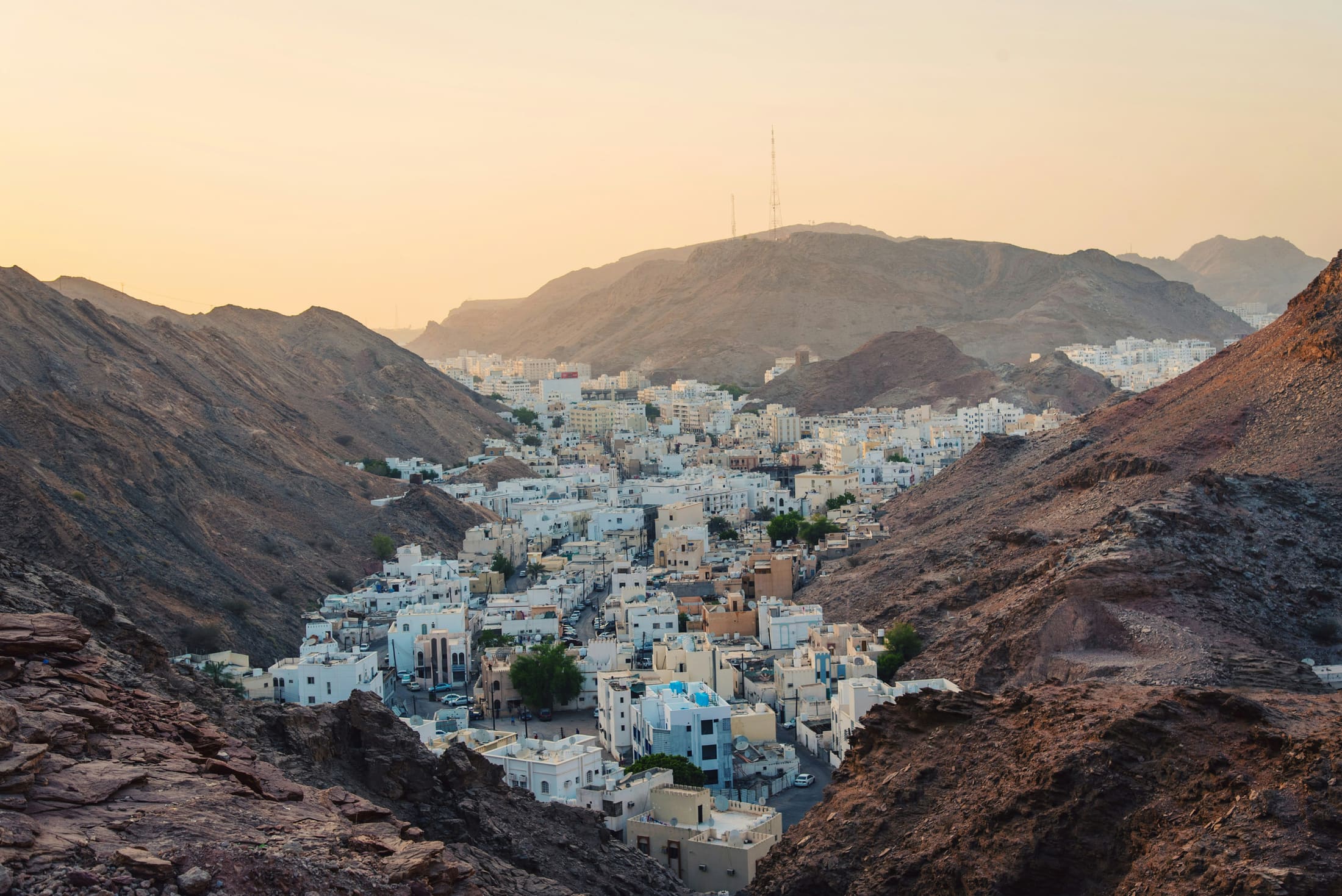
Oman, as a travel destination, is often portrayed as the Middle East’s best-kept secret, and for good reason. Most first-time visitors to Oman are taken aback not only by its natural beauty but also by how serene everything seems. Travel in Oman unfolds gradually: a drive turns into a beautiful adventure, a visit to a souq sparks a discussion, and a cup of coffee becomes an invitation to stay seated longer. Oman’s offerings are diverse, accessible and usually overlooked.
At Utazzo Holidays, we’ve seen travellers arrive curious and leave deeply moved by the warmth of the people of Oman and the dignity with which tradition and modern life coexist. To make your trip truly memorable, here are some things to know before you head to Oman.
Oman at a Glance
Oman is called the “soul of Arabia”, and for good reason. It preserves the traditions, architecture, and cultural rhythms that have shaped the region for centuries.
Oman offers a mix of deserts, mountains, beaches, and historic cities in one compact itinerary.
It is one of the safest and most culturally authentic countries in the Middle East.
Top highlights include Muscat, Nizwa, Wahiba Sands, Salalah, and Jebel Akhdar.
Omani cuisine focuses on slow-cooked meats, rice dishes, dates, and spices.
The best time to visit Oman is in winter, from October to March, when the weather is comfortable.
Best Places to See in Oman
Oman offers a perfect mix of deserts, mountains, beaches, and historical landmarks. From modern cities with high-rise buildings to untouched natural wonders, Oman's tourist places attract travellers seeking peace, adventure, and authentic Arabian experiences.
Muscat
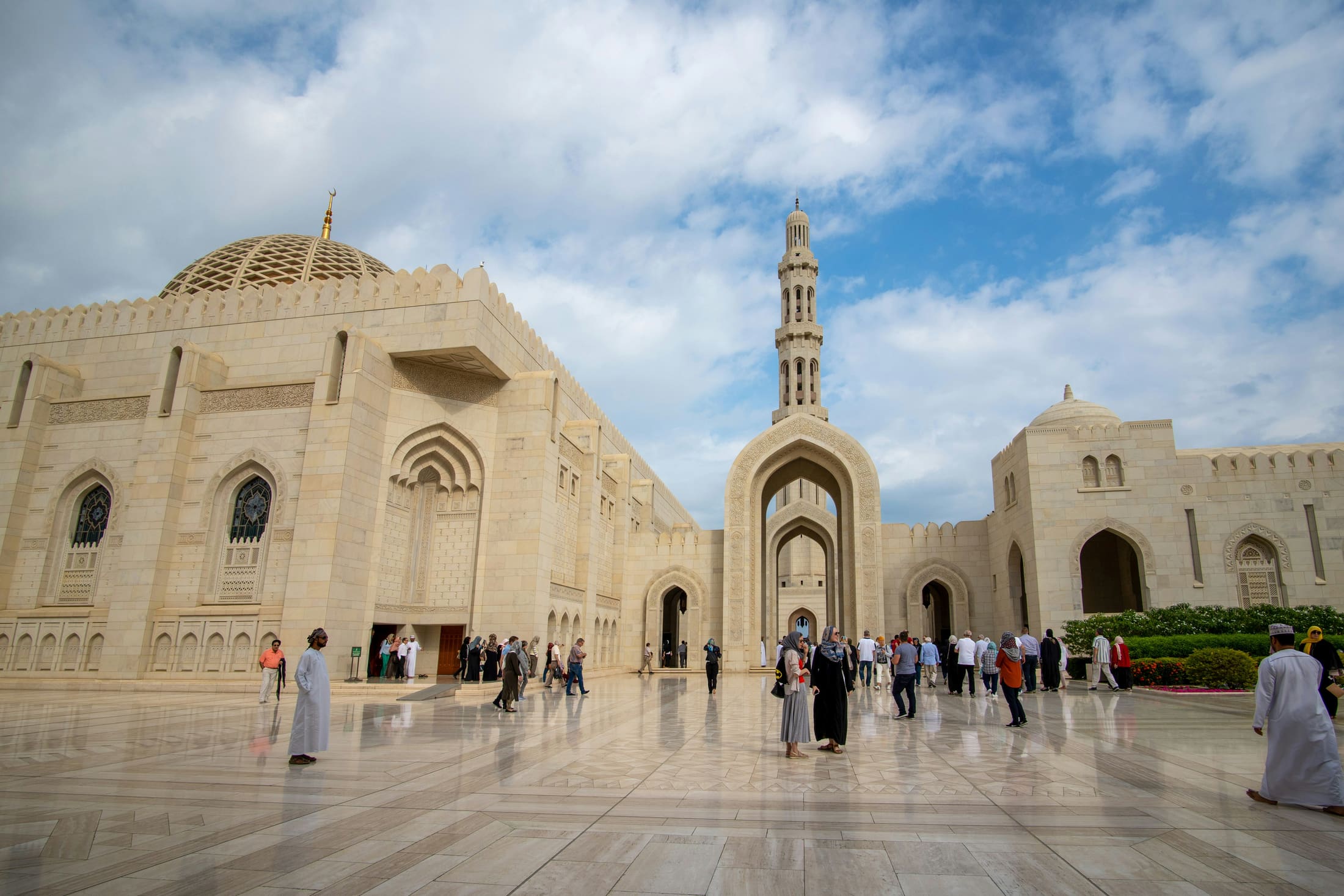
Muscat is one of Oman's most visited tourist destinations, known for its beautiful mosques, royal architecture, and coastal views. When in Muscat, some of the famous tourist attractions not to miss are the Qaboos Grand Mosque, the traditional market Mutrah Souq, and a guided tour of the Royal Opera House.
Timings and Entry Fee
Timings: Saturday to Thursday: 8:00 AM – 11:00 AM (tourists), but Friday is closed for tourists
Entry Fee: Free
Dress Code: Women: Headscarf + full sleeves + long pants/skirt, and for Men: Long trousers
Wahiba Sands
Wahiba Sands (Sharqiya Sands) is a famous Omani tourist spot known for desert safari, dune bashing, and camping. Travellers often find this desert to be one of the most exciting places in their Oman trip.
Timings and Entry Fees
Timings: Open 24 hours
Best Time: 4:00 PM – Sunset
Entry Fee: Free (Desert safari tours cost approx. OMR 25–50)
Wadi Shab
Wadi Shab is one of the most beautiful Omani sightseeing places, popular for trekking and swimming. If you are a nature lover, this is the perfect place to see in Oman.
Timings & Fees:
Timings: 8:00 AM – 5:00 PM
Entry Fee: Free
Boat Crossing Fee: OMR 1 per person
Wadi Bani Khalid
Wadi Bani Khalid is a relaxing Omani tourist place with clear blue water pools. If you are one of those travellers who prefer a peaceful time when travelling, this is the perfect place to be in Oman.
Timings & Fees:
Timings: 8:00 AM – 6:00 PM
Entry Fee: Free
Jebel Akhdar
Jebel Akhdar is among the most scenic Omani tourist places, famous for its cool climate and mountain views. It is a serene place to see in Oman for mountain lovers.
Visiting Info:
Timings: Open all day
Entry Fee: Free
Note: 4WD vehicle mandatory
Jebel Shams
Jebel Shams, the "Mountain of the Sun," is Oman's highest peak at approximately 3,000 meters. Famous for the "Grand Canyon of Arabia" (Wadi Ghul), it offers dramatic 1,000-meter vertical cliffs, cooler temperatures, hiking trails such as the Balcony Walk, and stunning starry nights.
Timings & Fees:
Timings: Open all day
Entry Fee: Free
Nizwa
Nizwa is one of Oman's most important historical sites, known for its forts and traditional markets. A must-visit for travellers who love to explore history. These are some of the worth-visiting tourist attractions in Nizwa, Oman, along with their visiting hours and entry fees.
Nizwa Fort
Timings: 8:00 AM – 6:00 PM
Entry Fee: OMR 5 per adult
Nizwa Souq
Timings: 7:00 AM – 1:00 PM & 4:00 PM – 8:00 PM
Entry Fee: Free
Ras Al Jinz – Turtle Reserve
Ras Al Jinz is a unique tourist spot in Oman where visitors can see nesting sea turtles. It offers you the opportunity to dive into unspoiled shorelines, golden deserts, luxuriant green oases and rugged mountains.
Timings & Fees:
Turtle Viewing: 9:00 PM – 4:00 AM
Entry Fee: OMR 7–10 per person
Advance booking required
Salalah
Salalah is one of the most beautiful tourist places in Oman, especially during the monsoon season (Khareef). This place offers you a refreshing place to see in Oman, unlike the desert regions.
Visiting Info:
Best Season: June – September
Entry Fees: Mostly Free (waterfalls & beaches)
Daymaniyat Islands
The Daymaniyat Islands are a protected archipelago of nine uninhabited islands located 16-40 km off the coast of Muscat and Barka in Oman. Renowned as a premier snorkelling and diving destination in the Middle East, they feature white sand beaches, vibrant coral reefs, and extensive marine life.
Timings & Fees:
Boat Tours: 8:00 AM – 2:00 PM
Entry Permit Fee: OMR 3–5
Snorkelling Tours: OMR 25–40
Things To Do In Oman
Oman has much to offer to every kind of traveller, whether you are travelling with a group, family or on a journey to explore Oman solo. One never gets bored when travelling to Oman, as the list of things to do there never disappoints.
Visit the Sultan Qaboos Grand Mosque
It is one of the most popular sights in Oman, built to celebrate the completion of 30 years of Sultan Qaboos’s rule. The primary purpose of this mosque is to foster unity and spread peace and devotion among people, so even non-Muslims are welcome to visit.
Islamic architecture, with its blend of modernity, makes it worth visiting. The white marble and detailed craftsmanship are so beautiful that you will say “wow” upon seeing them. The place gives very positive vibes, represents Omani culture, and is also perfect for photoshoots.
Dress Code:
Women: Full-sleeved, full-length clothing with a headscarf
Men: Half-sleeved or full-sleeved shirt with full-length trousers (shorts are not allowed)
Best Visiting Time:
Morning or evening
On Fridays, visits are allowed only after the afternoon prayer.
Entry Fee:
Free entry (no ticket required)
Hike & Swim in Wadi Shab
Wadi Shab is one of the most adventurous and scenic places in Oman. It is located about 1.5 hours away from Muscat. Wadi Shab is famous for its mountains, water pools, caves, and waterfalls, and the best thing about this place is its fresh and pleasant environment.
The adventure at Wadi Shab starts with a short boat ride. During the hike, you can see rocky paths, tall mountains, and beautiful blue water. There are also natural swimming pools, which make the experience even more exciting and refreshing.
Famous for: Natural pools, turquoise water, caves, and a beautiful waterfall
Best time to visit: October to April (summers can be extremely hot)
Entry fee: Mostly free
What to carry
• Water bottle
• Snacks or light food
• Swimwear
• Towel
• Waterproof phone cover
• Sunscreen
Experience Wahiba Sands: If you want to experience adventure, nature, and culture all in one place, Wahiba Sands is the perfect destination for you. Here, you’ll find vast deserts, golden sands, and beautiful sunset views. One of the best things here is the dune ride, driving over the dunes gives you a real adventure thrill!
If you prefer a slower ride, camel rides are also available.
It’s also amazing for photography, and if you stay at a desert camp, you’ll have a truly peaceful experience with positive vibes.
Best Time to Visit:
The ideal time to visit Wahiba Sands is from October to April, when the weather is pleasant.
Avoid visiting during summer (May–September) as it gets extremely hot.
Entry to Wahiba Sands:
There is no official entry fee to access the desert itself
Activities such as camel rides, dune bashing, and sandboarding are paid separately
4x4 vehicles are recommended for exploring the deeper parts of the desert.
Stay Options:
Accommodation ranges from basic desert camps to luxury camps.
Some eco-resorts are available nearby.
Overnight camping is highly recommended for a complete desert experience.
Discover Nizwa Fort & Souq: Nizwa Fort showcases Oman's culture and peaceful vibes. It also tells the history of Oman, and it features a huge round tower from which you can see Nizwa city very clearly.
The fort is built in a very strategic way, with beautiful walls, and there are many secret rooms inside. If you love architecture, this place is perfect for you! Next to the fort is Nizwa Souq, where you can do some shopping for jewellery, spices, and many more things. The vibe there is very positive and amazing.
Best Time to Visit:
Early morning or late afternoon is ideal to avoid the noon heat.
The Souq is busiest on Fridays, which is the traditional market day.
Entry Fees & Timing:
Fort entry fee: approximately 1–2 OMR (around ₹200–₹400).
Opening hours: 8 AM – 5 PM (please check locally for updates).
Why Visit:
Great for history lovers and photographers.
Learn about Oman’s military and trade history.
Experience local shopping and cultural vibes.
Relax at Qurum Beach: If you’re a beach person or love chilling and short trips, Qurum Beach is perfect for you. The beaches here are amazing and super relaxing, with soft sand and really clear water. The sunset views are also incredible! If you’re going with kids, there are services and facilities for them too.
There are local cafés nearby, so you don’t need to carry your own food. This beach is far from the city noise, giving you positive vibes and a peaceful time.
Entry: Qurum Beach is a public beach and completely free for all visitors, no ticket or fee required.
Opening Hours: Open 24/7, but visiting during daylight hours is best.
Best Time to Visit: Early morning or evening for cooler weather and beautiful sunset views.
Tips:
Carry sunscreen, a hat, and water
Keep the beach clean – no littering
Evening visits are ideal for a calm stroll and sunset photography
Must-Try Dishes for Every Traveller in Oman
Omani food feels warm, welcoming, and deeply rooted in tradition, just like the country itself. Shaped by generations of home cooking, coastal life, and old trade routes, each meal offers comfort, flavour, and a sense of togetherness. For travellers, tasting these must-try dishes isn’t just about food; it’s about experiencing Oman’s culture, hospitality, and everyday life at the table.
Shuwa: Oman’s signature dish; slow-cooked marinated lamb or goat with deep, smoky flavours. It is made with lamb or goat meat, generously marinated in a blend of Omani spices, including garlic, cumin, coriander, dried lime, and chilli. The marination process often lasts one to two days, allowing the flavours to deeply penetrate the meat.
Best place to try Shuwa: Harat A’shamal Street | Opposite Fish Market, Muttrah, Muscat 130, Oman.
Majboos (Chicken/Lamb): Fragrant spiced rice cooked with meat, saffron, and dried lime. It is a traditional rice-based dish made with chicken or lamb, cooked together with long-grain rice so the meat and spices blend perfectly into every bite. For travellers, Majboos is a must-try comfort dish that offers a true taste of Omani home cooking, simple, hearty, and full of traditional flavour.
Best place to try: Lahab Kitchen Restaurant OM, Al Marafah Street, Muscat 130, Oman
Mashuai: Grilled kingfish served with rice and a tangy lemon sauce.Omani seafood dish that reflects the country’s deep connection to the sea. It is traditionally made with kingfish, one of Oman's most popular fish, which is lightly seasoned and grilled to perfection. The simplicity of the spices allows the natural flavour of the fresh fish to truly stand out.
Harees: Slow-cooked wheat and meat dish, simple, filling, and widely eaten. Harees is a traditional Omani comfort dish made by slow-cooking wheat and meat (usually lamb or chicken) until it becomes creamy and tender. Lightly seasoned, it’s rich, hearty, and often served during Ramadan, Eid, and special gatherings, a true taste of Omani home cooking.
Best place to try: Harees in Muscat is Bait Al Luban Omani Restaurant in Mutrah, where this traditional Omani comfort dish is served slow-cooked, creamy, and full of rich, home-style flavours.
Vegetable Majboos: Spiced rice with mixed vegetables, saffron, and mild Omani spices. Vegetable Majboos is a popular vegetarian version of Oman’s classic rice dish, offering the same rich aroma and flavours without meat. It is made by cooking basmati rice with a mix of fresh vegetables such as carrots, potatoes, peas, and beans, all simmered together in a fragrant blend of Omani spices. Vegetable Majboos is a must-try vegetarian option that still delivers the authentic taste of traditional Omani cuisine.
Best place to try: Ramssa Omani Restaurant (Muscat) at 2050 Way 2241, Muscat 114, Oman
Dal & Rice (Omani style): Lentils cooked with local spices, commonly served in homes and cafes. Dal & Rice (Omani style) is a simple yet comforting dish that reflects everyday Omani home cooking. It consists of lentils slow-cooked with mild local spices, onions, and garlic, served alongside plain or lightly spiced rice. The flavours are gentle, warm, and nourishing rather than heavy or spicy.
Best place to try: Bait Al Luban Omani Restaurant – Mutrah (Corniche, Harat A’shamal St, Muscat 130)
7. Khubz Ragag with Honey or Cheese: Thin, crispy Omani bread, popular as a light meal or snack. Khubz Ragag is a traditional Omani flatbread known for its paper-thin, crispy texture. It is made by pouring a light batter onto a hot, convex griddle, where it cooks in seconds, turning golden and crisp. This bread is commonly enjoyed with honey, cheese, eggs, or dates, making it a popular choice for breakfast or a light snack.
Best place to try: Al Mandoos on Almouj Street at The Wave Commercial Centre, Muscat 113, Oman,
Best Time to Visit Oman
Oman is a land of mountains, vast deserts, and turquoise coastlines. Oman has a reliably warm climate; therefore, choosing the best time to visit is crucial for a comfortable experience.
Winter Season (October to March) – Peak Travel Season
October to March is the best season to visit Oman. This is ideal for sightseeing in cities like Muscat and Nizwa, desert safaris in Wahiba Sands, mountain trips to Jebel Akhdar, and beach activities along Oman’s coastline.
Cultural festivals and national celebrations also take place during winter, offering visitors a chance to experience authentic Omani traditions.
One Particular Winter event to attend in Oman is the Masirah Winter Festival that happens in January as part of Oman The Masirah Winter Festival in Oman happens in January, typically running from around mid January (e.g., Jan 15-23 in 2026) as part of Oman's broader winter tourism season that runs from October to April, celebrating local culture, heritage, and economy.
Early Spring (April) – Shoulder Season
This season is the best time to go to Oman for short trips, coastal visits, and sightseeing during early mornings and evenings. Hotels often offer better deals compared to winter months, making April a suitable option for budget-conscious travellers who still want decent weather.
This Season Highlight the "Rose Season" in the Al Hajar Mountains. The Rose Season in the Al Hajar Mountains is one of Oman’s most attractive natural events. With blooming terraces, cool mountain weather, and centuries-old traditions, this short spring season presents a rare opportunity to experience Oman at its most fragrant and beautiful.
The Rose Season is not only visually stunning but also culturally meaningful. Local families harvest roses by hand in the early morning to preserve their fragrance. Petals are then distilled using traditional clay or metal equipment to produce pure rose water. Planning a trip during this time ensures a memorable journey into the heart of Omani heritage and nature.
Summer Season (May to September) – Off-Peak Season
May to September is not the best season to visit Oman. For those who prefer summer, the off-peak season can be a good choice. Despite the heat, summer travel has its advantages. Luxury resorts offer discounted rates, tourist sites are less crowded, and indoor attractions remain accessible.
Khareef Season in Salalah (June to September) – Unique Monsoon Experience
This season attracts nature lovers and regional tourists seeking a little cooler weather. It offers a completely different side of Oman, away from its desert environment, and is perfect for sea drives, nature walks, and photography.
Visitors during Khareef season can enjoy stunning mountain views, explore green wadis, and experience seasonal festivals in Salalah. Popular attractions become vibrant, offering excellent opportunities for sightseeing and photography.
The season also supports local culture, with traditional markets and food stalls adding to the festive atmosphere. The Khareef Season in Salalah offers a rare and refreshing side of Oman.
Oman for Different Types of Travellers
Honeymooners: Romantic deserts, private resorts
Oman is a hidden gem for honeymooners who dream of romance wrapped in peace, natural beauty, and underrated luxury. Unlike other crowded honeymoon hotspots, Oman offers a rare sense of privacy and authenticity—making it an ideal destination for couples looking to begin their journey together in a peaceful and unforgettable setting. From vast golden deserts to secluded luxury resorts, Oman offers the perfect canvas for romance.
Families: Safe cities, nature, easy travel
Oman is an excellent destination for families, offering a combination of safety, natural beauty, and stress-free travel. Whether you’re travelling with young children, teenagers, or multiple generations, the country’s welcoming atmosphere and well-planned infrastructure make family holidays both enjoyable and easy. Oman’s calm pace of life allows families to explore comfortably while creating meaningful experiences together.
Solo Travellers: Welcoming and secure
Oman is an increasingly popular destination for solo travellers, offering a rare blend of safety, warmth, and deeply rewarding travel experiences. For those who prefer to explore at their own pace, Oman provides a calm, respectful, and welcoming environment that makes solo journeys comfortable and safe. Whether you are travelling for self-discovery, adventure, or cultural immersion, Oman is a place where solo travellers can feel both secure and at home.
Adventure Seekers: Hiking, diving, deserts
Oman is a paradise for adventure seekers, offering an incredible mix of rugged mountains, pristine coastlines, and vast golden deserts. For travellers who bloom on outdoor excitement and raw natural beauty, Oman delivers thrilling experiences without the crowds found in many other adventure destinations. From challenging hikes to world-class diving and unforgettable desert expeditions, the country is perfectly suited for those who crave adventure in its purest form.
Luxury Travellers: World-class resorts with privacy
Oman is an emerging luxury destination for travellers who value privacy, exclusivity, and refined experiences over flashy excess. With its dramatic natural landscapes, rich cultural heritage, and commitment to understated elegance, Oman offers a sophisticated escape for luxury travellers seeking calmness and authenticity. From secluded beach resorts to private desert lodges and mountain retreats, the country excels in providing world-class hospitality with a strong sense of privacy.
Frequently Asked Questions
Do Indians need a visa to travel to Oman? What are the types and requirements?
Is Oman safe for solo female travellers?
What are emergency contact numbers in Oman?
What dress code and cultural etiquette should visitors follow?
What are the local customs around photography, greetings, Ramadan, and festivals?
Is Indian and vegetarian food available in Oman?
Yes, Indian and vegetarian food are widely available in Oman, especially in major cities and popular tourist areas. Indian travellers, vegetarians, and even vegans will find plenty of dining spots that suit their tastes and their preferences.