
Our Travel Stories
Inspiration, tips, and guides for your next adventure.

Places to Visit in Kashmir: Top Attractions & Trending Spots in 2026
Explore places to visit in Kashmir, from Srinagar to Gulmarg. Discover top tourist spots, tips, and travel guides with Utazzo.

Places to Visit in Vietnam: Top Attractions & Trending Destinations 2026
Vietnam, a long, narrow nation shaped like the letter ‘S’, isn’t just a destination; it’s an experience that pulls you in from the very first moment. Known for its beaches, rivers, Buddhist pagodas, and bustling cities, Vietnam offers something magical for every traveller. Whether you’re chasing culture, adventure, food, or scenic beauty, the variety of Vietnam tourist places will leave you planning your next trip before the first one even ends. In this detailed guide, we’ll explore the most searched-for, trending, and must-visit places in Vietnam, along with essential details like opening hours, entry fees, and insider tips, making it easier for you to discover the best places to travel in Vietnam . Places to Visit in Vietnam Ha Long Bay Ha Long Bay is Vietnam's natural wonder and one of the most iconic Vietnam sightseeing places. It is known for its emerald waters and towering limestone islands. A cruise here is the highlight of most itineraries, offering opportunities to explore places in Vietnam. You can kayak through caves, visit floating villages, and enjoy sunset views from the deck. Timings: Open all day (cruise-based visits) Entry Fee: ~290,000–900,000 VND depending on cruise type Best Time to Visit: October to April Hanoi Hanoi is the cultural capital and among the most vibrant places to see in Vietnam, blending centuries-old traditions with modern life. The Old Quarter’s narrow streets are packed with street food stalls, cafes, and local markets. Historical sites like the Temple of Literature and Hoan Kiem Lake add depth to your journey through Vietnam tourist places. Timings: Most attractions open 8:00 AM – 5:00 PM Entry Fee: ~30,000–90,000 VND per site Best Time to Visit: September to December Hoi An Hoi An, the lantern-lit ancient town, is one of the most charming places to see in Vietnam. Hoi An is well known for its glowing lanterns and preserved architecture. The town transforms into a magical setting at night, making it one of the most photographed places to travel in Vietnam. Visitors can explore tailor shops, riverside cafes, and nearby beaches, such as An Bang. Timings: 8:00 AM – 9:30 PM Entry Fee: ~120,000–360,000 VND for Old Town pass Best Time to Visit: February to April Ho Chi Minh City Ho Chi Minh City is a modern metropolis and one of the most dynamic places to explore in Vietnam, offering a mix of history, nightlife, and modern attractions. From the War Remnants Museum to the underground Cu Chi Tunnels, the city offers deep insight into Vietnam’s past while remaining lively and energetic. Timings: 7:30 AM – 6:00 PM (varies by attraction) Entry Fee: ~40,000–330,000 VND depending on site Best Time to Visit: December to April Sapa Sapa is among the most scenic places to see in Vietnam, known for its breathtaking rice terraces and cool mountain climate. Trekking through ethnic villages and climbing Fansipan (Vietnam’s highest peak) are top experiences to enjoy here. It’s best for travellers who love nature and cultural immersion. Timings: Open all day Entry Fee: Mostly free; trekking guides cost extra Best Time to Visit: March–May, September–November Da Nang Da Nang is one of the fastest-growing sightseeing destinations in Vietnam, offering a perfect mix of beaches and modern attractions. The famous Golden Bridge at Ba Na Hills and the clean My Khe Beach make it a favourite among tourists exploring places to travel in Vietnam. Timings: Attractions open 7:00 AM – 5:30 PM Entry Fee: Ba Na Hills ~₹2,000–₹3,000 Best Time to Visit: February to May Hue Hue, the Imperial heritage city, is rich in history and one of the most underrated places to explore in Vietnam. Once the imperial capital, it is home to ancient citadels, royal tombs, and pagodas. A boat ride along the Perfume River adds a peaceful charm to your visit. Timings: 7:00 AM – 5:30 PM Entry Fee: ~150,000–450,000 VND Best Time to Visit: January to April Ninh Binh Ninh Binh, the Ha Long Bay on Land, is a rising star among Vietnam tourist places, offering dramatic limestone landscapes similar to Ha Long Bay. Boat rides through caves and rivers, combined with scenic hikes to viewpoints, make it one of the most peaceful places to see in Vietnam. Timings: 7:00 AM – 6:00 PM Entry Fee: ~150,000–750,000 VND Best Time to Visit: November to April Phu Quoc Phu Quoc Tropical Island Paradise is among the best beach places to travel in Vietnam, known for its white sand beaches and luxury resorts. Activities like snorkelling, island hopping, and sunset watching make it ideal for relaxation and honeymoon trips. Timings: Open all day Entry Fee: Mostly free; activity-based charges apply Best Time to Visit: November to April Mekong Delta The Mekong Delta, life on the water, offers one of the most unique cultural experiences among places to explore in Vietnam. Known for its floating markets and river life, it gives a glimpse into traditional Vietnamese living. Boat tours through canals and local villages are the highlight. Timings: Early morning to afternoon (best for markets) Entry Fee: ~₹1,500–₹2,500 for guided tours Best Time to Visit: December to April Why Places to Visit in Vietnam Deserve a Spot on Your Travel List The diversity of places to visit in Vietnam is what truly makes it special. From the breathtaking landscapes of Ha Long Bay to the cultural charm of Hanoi and the serene beaches of Phu Quoc, every destination offers a completely unique experience. Whether it’s exploring ancient towns, cruising through limestone islands, or indulging in vibrant street food scenes, Vietnam offers a perfect blend of adventure, culture, and relaxation. There is something here for every kind of traveller, and every journey feels different from the last. If you’re planning your next international getaway, Vietnam isn’t just another destination; it’s an experience you’ll remember for a lifetime. Travel with Utazzo Holidays , where our focus is on simple, stress-free holidays. From planning to execution, we take care of everything so you can focus on enjoying every moment of your trip. Book your Vietnam journey with us today.
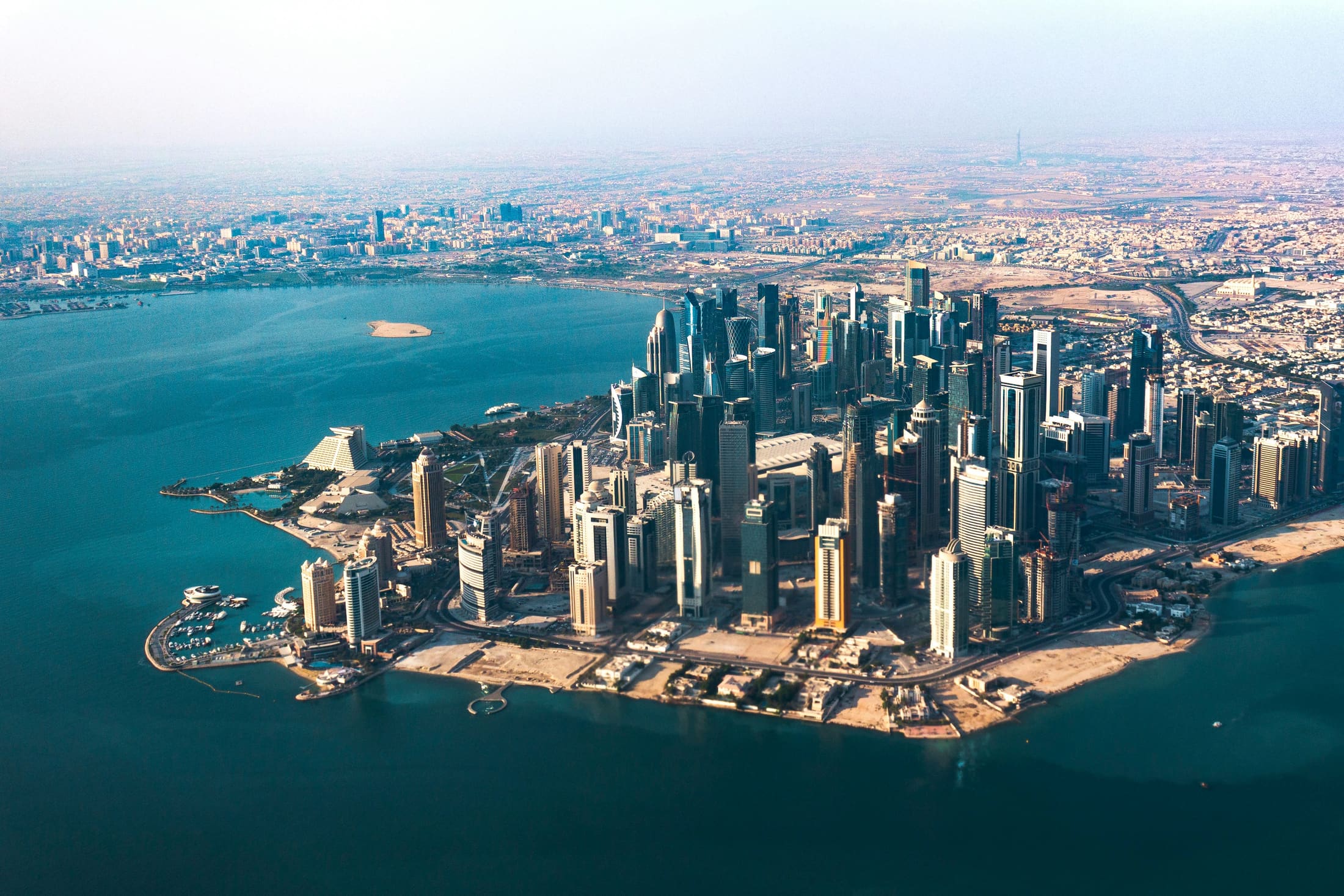
Qatar Travel Guide 2026: Everything You Need To Know
Qatar has rapidly emerged as one of the most exciting and refined travel destinations in the Middle East. This Qatar travel guide explores a country where heritage, luxury, and innovation blend seamlessly, surprising first-time visitors with how effortlessly tradition endures alongside futuristic cityscapes. Travel in Qatar feels smooth and immersive, a visit to a traditional souq becomes a cultural exchange, and a cup of Arabic coffee often turns into warm conversation and hospitality. At Utazzo Holidays , we’ve seen travellers arrive with curiosity and leave impressed by Qatar’s world-class infrastructure, rich culture, and welcoming atmosphere. To help you plan a memorable journey, here’s everything you need to know before travelling to Qatar. Quick Highlights: Qatar Travel Guide Qatar is often referred to as a gateway to modern Arabia, where deep-rooted traditions meet global experience. - Qatar offers a mix of ultra-modern cities, desert landscapes, beaches, and cultural landmarks within a short travel distance. - It is one of the safest and most tourist-friendly countries in the Middle East, ideal for solo travellers, families, and luxury seekers. - Top highlights include Doha, Katara Cultural Village, Souq Waqif, The Pearl-Qatar, Lusail City, and Khor Al Adaid. - Qatar cuisine features a blend of Arab, Persian, and international flavours, with popular dishes like machboos, grilled meats, fresh seafood, and traditional sweets. - The best time to visit Qatar is from November to March, when temperatures are pleasant and ideal for sightseeing, desert safaris, and outdoor experiences. Best Places to see in Qatar Qatar packages offer a beautiful blend of luxury, culture, history, and desert landscapes. From futuristic skyscrapers and world-class museums to traditional souqs and vast deserts, Qatar's tourist places offer unforgettable experiences for travellers. Souq Waqif If you love shopping at traditional markets, a visit to Souq Waqif will steal your heart. Offering a glimpse into traditional Qatari life, these lively markets are among the top tourist spots in Qatar for shopping, dining, and cultural experiences. Timings: 10:00 AM – 12:00 PM & 4:00 PM – 10:00 PM Entry Fee: Free Katara Cultural Village Katara Cultural Village is a unique Qatar sightseeing place dedicated to art, culture, and traditions. It’s best for those travellers who love cultural exploration. Timings: 9:00 AM – 10:00 PM Entry Fee: Free (some exhibitions may charge a small fee) The Pearl-Qatar The Pearl-Qatar is a man-made island and a premium Qatar tourist spot, known for luxury shopping and waterfront views. This is a popular place to visit in Qatar for leisure and photography. Timings: Open all day Entry Fee: Free Khor Al Adaid (Inland Sea) A breathtaking UNESCO-recognised natural reserve in southeast Qatar, Khor Al Adaid, also known as the Inland Sea, is where the sea meets the desert dunes. If you love adventurous activities, this is the place in Qatar you must visit. Timings: Open all day Entry Fee: Free Desert Safari Cost: QAR 150–300 (depends on tour) Museum of Islamic Art The Museum of Islamic Art is one of Qatar’s most iconic attractions, showcasing Islamic art and artefacts from over 1,400 years across the Muslim world. Designed by architect I. M. Pei, it also offers beautiful views of Doha’s skyline. Timings: Sat–Tue: 9:00 AM–7:00 PM | Thu: 9:00 AM–9:00 PM | Fri: 1:30 PM–7:00 PM | Wed: Closed Entry Fee: Free Things to do in Qatar Desert Safari & Inland Sea (Khor Al Udaid) One of the most exciting experiences in Qatar is the desert safari at Khor Al Udaid, also known as the Inland Sea. This place is famous because the golden sand dunes meet the sea, creating a truly unique natural landscape. Visitors can enjoy thrilling activities like dune bashing in a 4×4 vehicle, camel riding, sandboarding, and watching the beautiful desert sunset. It is a perfect place for adventure lovers and photographers. Entry Fee Entry to the desert: Free Desert Safari Tour: Around QAR 150–300 depending on the tour package. Best Time to Visit: November to March is the best season, with early morning or late afternoon being best for comfortable weather. Tips • Book a licensed 4×4 desert safari tour • Carry water, sunscreen, and sunglasses • Wear light and comfortable clothing Al Thakira Mangroves Kayaking Al Thakira Mangroves is one of the most peaceful natural spots in Qatar. It is famous for its green mangrove forests and calm waters, making it a perfect place for kayaking and nature exploration. While kayaking through the mangroves, visitors can see different birds, fish, and beautiful natural landscapes. It is a relaxing outdoor activity and a great way to experience Qatar’s natural side. Entry Fee: Kayak tours usually cost around QAR 100–200, depending on the tour provider. Best Time to Visit: October to April are the best months, with early morning or late evening outings for cooler temperatures. Tips • Wear comfortable clothes suitable for water activities • Bring sunscreen and sunglasses • Guided tours are recommended for first-time visitors Katara Beach Katara Beach is one of the most popular beaches in Doha. It offers a clean and relaxing environment where visitors can enjoy the sea, water sports, and beautiful views of the Arabian Gulf. The beach is well organised with facilities for jet skiing, parasailing, and other water activities. There are also restaurants and cafés nearby where visitors can relax after spending time on the beach. Entry Fee: Around QAR 25–50, depending on the activities. Best Time to Visit: November to April are the best months for morning or late-afternoon outings, with pleasant weather. Tips • Bring sunscreen and a hat • Follow the beach dress code guidelines • Try water sports if you enjoy adventure activities Doha Quest Theme Park Doha Quest is an indoor theme park located in the heart of Doha. It is known for its exciting rides, futuristic attractions, and family-friendly entertainment. The park features thrilling roller coasters, interactive games, and fun activities for visitors of all ages. It is a great place for families, especially during the hot summer months when indoor attractions are more comfortable. Entry Fee: Tickets usually start from around QAR 125, depending on the package. Best Time to Visit: Afternoon or evening on weekdays is best, as they are less crowded. Tips • Book tickets online in advance • Visit early to enjoy more rides with less waiting time • Perfect for families with children Old Doha Port & Mina District Old Doha Port and the Mina District are among the most colourful and vibrant areas in the city. The buildings here are painted in bright pastel colours, giving the area a charming Mediterranean-style atmosphere. Visitors can walk along the marina, enjoy cafés and restaurants, take photos of the colourful streets, and watch traditional boats at the harbour. It has quickly become one of the most Instagram-worthy places in Doha. Entry Fee: Free entry Best Time to Visit: Evening is the best as the area looks especially beautiful after sunset. Tips • Great place for photography • Visit nearby cafés and restaurants • Perfect for evening walks Food To Try in Qatar Food in Qatar is all about comfort, tradition, and bold flavours. From fragrant rice dishes cooked with tender meat to popular street snacks and sweet treats, every bite reflects the country’s culture and warm hospitality. Trying local food is one of the best ways to experience Qatar truly. Machboos (Majboos) Qatar’s national dish is made with spiced rice and tender chicken, lamb, or fish. Rich, aromatic, and deeply satisfying. Made with fragrant basmati rice, slow-cooked meat, and warm spices like cardamom and dried lime, this comforting one-pot meal is aromatic, flavorful, and deeply satisfying. Often shared at family gatherings, Machboos represents the heart of Qatari hospitality. Best place to try: Name Bayt Sharq Address Al Corniche, Doha, Qatar Phone No. +974 7770 4589 Thareed A traditional comfort dish of flatbread soaked in a flavorful meat and vegetable stew, often enjoyed during Ramadan. Often enjoyed during Ramadan, this hearty and nourishing meal is known for its simple ingredients, warm spices, and homely flavours that reflect Qatar’s deep-rooted culinary traditions. Best place to try: Name Nassayem Qatar Address P.O Box 3395 Al Istiqlal Street, Doha, Qatar Phone No. +974 4484 7470 Harees Slow-cooked wheat and meat are blended into a creamy, hearty dish, commonly served at celebrations and festivals. Harees is a traditional Qatari dish made by slow-cooking wheat and meat until it becomes smooth and creamy. Lightly seasoned and deeply comforting, this nourishing dish is especially popular during Ramadan and festive occasions, symbolising warmth, tradition, and home-style cooking in Qatar. Best place to try: Name Harees Al Walda Address Salwa Rd, Doha, Qatar Phone No. +974 4444 0059 Madrouba A soft, porridge-like rice and chicken dish seasoned with mild spices, simple, warm, and comforting. Madrouba is a creamy, porridge-like dish made by slow-cooking rice with chicken, butter, and mild spices until it breaks down into a smooth, velvety texture. It’s gently seasoned with ingredients like garlic, cardamom, and sometimes saffron, giving it a subtle yet rich flavour. Best place to try: Name Saasna Address Barahat Msheireb street, Sikkat Al Maiz، Doha, Qatar Phone No. +974 5519 7131 Ghuzi Whole roasted lamb served over fragrant rice with nuts and spices, usually prepared for special occasions. Ghuzi is a traditional Qatari feast dish featuring a whole roasted lamb served over fragrant spiced rice. Rich, aromatic, and often garnished with nuts and raisins, it’s a celebratory meal that reflects Qatar’s hospitality and is perfect for sharing during special occasions. Best place to try: Name SMAT Address Orient Pearl Restaurant, Second Floor, Corniche Doha, Near Rass Abu Aboud Signal, Emirat St, Doha, Qatar Phone No. +974 4410 6600 Salona A spiced meat and vegetable stew that showcases everyday Qatari home cooking. Saloona is a traditional Qatari stew made with tender meat and a mix of fresh vegetables, slowly cooked with aromatic spices. Served with rice or bread, this comforting and flavorful dish is a staple of Qatari home cooking and perfect for a hearty, satisfying meal. Best place to try: Name Nobu Doha Address Diplomatic St, Doha, Qatar Phone no. +974 4494 8500 Regag (Khobes Regag) Thin, crispy flatbread often topped with egg, cheese, honey, or chocolate is a popular street food. Regag, or Khobes Regag, is a thin and crispy Qatari flatbread enjoyed as a snack or light meal. Often served with cheese, eggs, honey, or date syrup, it’s a versatile street food that pairs perfectly with a cup of traditional Karak tea. Best place to try: Name Bayt El Talleh Address Katara Hills, Katara Cultural Village, Doha, Qatar Phone no. +974 5010 1777 Samosa Deep-fried pastry filled with meat, cheese, or vegetables, especially popular during Ramadan evenings. Samosa is a popular Qatari snack made of crispy, deep-fried pastry filled with spiced meat, cheese, or vegetables. Light, flavorful, and perfect for sharing, it’s especially enjoyed during Ramadan and is a must-try treat when exploring Qatar’s street food. Best place to try: Name Malik Samusa Address Al Rayyan, Zone 51, Al Gharrafa, Maan Bin Addi Street, 11 Phone No, +974 4488 3296 Luqaimat Sweet, crispy dumplings drizzled with date syrup or honey are a favourite Qatari dessert. Luqaimat is a traditional Qatari sweet made of golden, crispy dumplings with a soft, fluffy inside. Drizzled with date syrup or honey, this indulgent treat is especially popular during Ramadan and is a must-try for anyone exploring Qatar’s local flavours. Best place to try: Name Fenjal Ashgar Address Unnamed Road, Lusail, Qatar Phone No. +974 5080 3335 Karak Tea A strong, milky tea flavoured with cardamom and spices, loved by locals and visitors alike. Karak Tea is a beloved Qatari drink made with strong black tea, milk, sugar, and aromatic spices like cardamom. Rich, creamy, and comforting, it’s enjoyed throughout the day and is an essential part of everyday life and social culture in Qatar. Best place to try: Name Karak Mqanes Address Marina Way 23, The Pearl, Doha, Qatar Phone No. +974 3394 9898 Balaleet Balaleet is a traditional Qatari breakfast made with sweet saffron-flavored vermicelli topped with a thin omelette. Its unique sweet and savory taste makes it a beloved local dish, especially during Eid and special occasions. Name Tawlet Yvonne Doha Address Ground Floor, Millennium Place Doha Building 15, 820 Badr St, Doha, Qatar Phone No. +974 4484 2263 Shawarma Shawarma is the kind of food you grab when you’re hungry and want something delicious, fast. Juicy, marinated chicken or meat is slowly roasted, sliced thin, and wrapped in warm Arabic bread with creamy garlic sauce, crunchy pickles, and fresh veggies. It’s flavorful, filling, and always hits the spot whether it’s a quick lunch or a late night bite. Name Al Nafourah Garden Address Airport Street, Doha, Qatar Phone No. +974 41411244 Best Time to Visit Qatar Qatar attracts travellers with luxury, culture, and dramatic desert landscapes. However, timing your trip matters for comfort and memorable experiences. Therefore, understanding Qatar’s seasons helps you plan wisely. This guide explains the best time to visit Qatar for weather, festivals, and budgets. Season Month Temperature Experience Winter (Peak Season) November – March 15°C – 25°C Sightseeing, desert safaris, beach walks, cultural events Spring (Shoulder Season) April 22°C – 35°C Short outdoor activities, shopping, and city tours Summer (off-season) May – September 35°C – 45°C Indoor attractions, luxury stays, budget travel Autumn (Shoulder Season) October 25°C – 35°C Fewer crowds, outdoor evenings, and photography Winter Season (November to March) - Best Time to Visit Qatar Winter is the most popular and comfortable season to visit Qatar. During these months, temperatures are mild and pleasant, making outdoor activities enjoyable throughout the day. The weather stays dry with plenty of sunshine and low humidity. This season is ideal for sightseeing, desert safaris, beach walks, dhow cruises, and cultural exploration. Major events and festivals also take place during the winter season, creating a lively atmosphere across the country. Spring Season (April) - Shoulder Season The spring season marks the transition from mild weather to warmer conditions. Temperatures begin to rise, especially in the afternoon, but mornings and evenings remain mild and comfortable. This season suits those travellers who prefer fewer crowds and slightly lower prices. Outdoor activities are still possible, but should be pre-planned during cooler hours. The spring season is ideal for short visits and city exploration. Summer (May – September) - Off Season The Summer Seasons in Qatar are extremely hot and humid. The Daytime temperature often exceeds comfortable levels, limiting outdoor sightseeing. Most travellers avoid prolonged outdoor activities during this season. However, The Summer Season is ideal for indoor experiences. Luxury hotels, shopping malls, museums, and fine-dining restaurants remain fully air-conditioned. Travel costs drop significantly, making summer attractive for budget travellers and luxury seekers who prefer indoor comfort. Autumn Season (October) - Shoulder Season Autumn is a short transition season where temperatures begin to cool after summer. The weather remains warm but becomes more manageable, especially toward the end of the month. This season is suitable for travellers who are looking to enjoy outdoor activities with fewer tourists. Hotels and flights offer better deals than in winter, while sightseeing is more comfortable in the mornings and evenings.
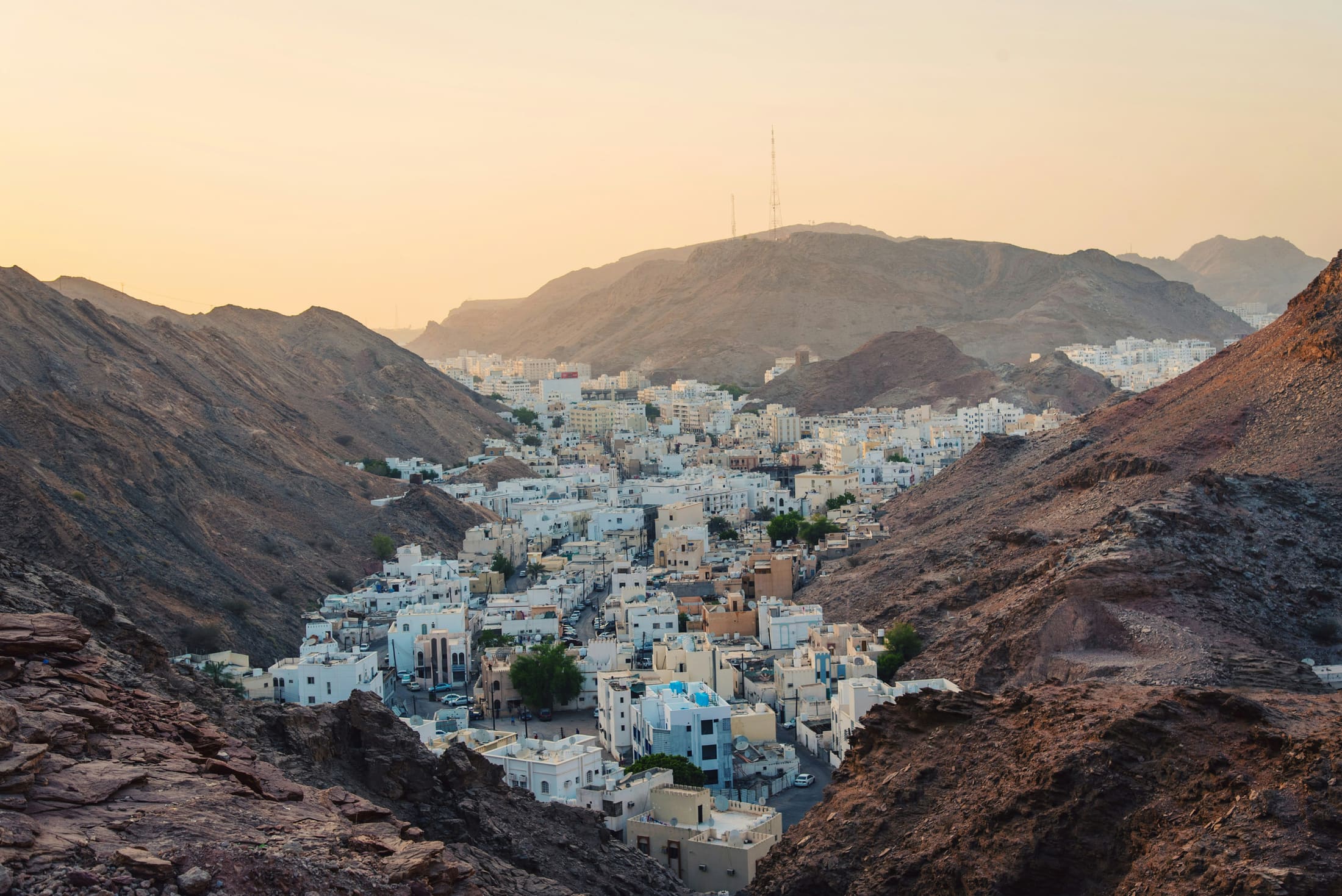
Travel Oman In 2026: Guidebook For First-Time Travellers
Oman, as a travel destination, is often portrayed as the Middle East’s best-kept secret, and for good reason. Most first-time visitors to Oman are taken aback not only by its natural beauty but also by how serene everything seems. Travel in Oman unfolds gradually: a drive turns into a beautiful adventure, a visit to a souq sparks a discussion, and a cup of coffee becomes an invitation to stay seated longer. Oman’s offerings are diverse, accessible and usually overlooked. At Utazzo Holidays, we’ve seen travellers arrive curious and leave deeply moved by the warmth of the people of Oman and the dignity with which tradition and modern life coexist. To make your trip truly memorable, here are some things to know before you head to Oman. Oman at a Glance Oman is called the “soul of Arabia”, and for good reason. It preserves the traditions, architecture, and cultural rhythms that have shaped the region for centuries. - Oman offers a mix of deserts, mountains, beaches, and historic cities in one compact itinerary. - It is one of the safest and most culturally authentic countries in the Middle East. - Top highlights include Muscat, Nizwa, Wahiba Sands, Salalah, and Jebel Akhdar. - Omani cuisine focuses on slow-cooked meats, rice dishes, dates, and spices. - The best time to visit Oman is in winter, from October to March, when the weather is comfortable. Best Places to See in Oman Oman offers a perfect mix of deserts, mountains, beaches, and historical landmarks. From modern cities with high-rise buildings to untouched natural wonders, Oman's tourist places attract travellers seeking peace, adventure, and authentic Arabian experiences. Muscat Muscat is one of Oman's most visited tourist destinations, known for its beautiful mosques, royal architecture, and coastal views. When in Muscat, some of the famous tourist attractions not to miss are the Qaboos Grand Mosque, the traditional market Mutrah Souq, and a guided tour of the Royal Opera House. Timings and Entry Fee Timings: Saturday to Thursday: 8:00 AM – 11:00 AM (tourists), but Friday is closed for tourists Entry Fee: Free Dress Code: Women: Headscarf + full sleeves + long pants/skirt, and for Men: Long trousers Wahiba Sands Wahiba Sands (Sharqiya Sands) is a famous Omani tourist spot known for desert safari, dune bashing, and camping. Travellers often find this desert to be one of the most exciting places in their Oman trip. Timings and Entry Fees Timings: Open 24 hours Best Time: 4:00 PM – Sunset Entry Fee: Free (Desert safari tours cost approx. OMR 25–50) Wadi Shab Wadi Shab is one of the most beautiful Omani sightseeing places, popular for trekking and swimming. If you are a nature lover, this is the perfect place to see in Oman. Timings & Fees: Timings: 8:00 AM – 5:00 PM Entry Fee : Free Boat Crossing Fee: OMR 1 per person Wadi Bani Khalid Wadi Bani Khalid is a relaxing Omani tourist place with clear blue water pools. If you are one of those travellers who prefer a peaceful time when travelling, this is the perfect place to be in Oman. Timings & Fees: Timings: 8:00 AM – 6:00 PM Entry Fee: Free Jebel Akhdar Jebel Akhdar is among the most scenic Omani tourist places, famous for its cool climate and mountain views. It is a serene place to see in Oman for mountain lovers. Visiting Info: Timings: Open all day Entry Fee: Free Note: 4WD vehicle mandatory Jebel Shams Jebel Shams, the "Mountain of the Sun," is Oman's highest peak at approximately 3,000 meters. Famous for the "Grand Canyon of Arabia" (Wadi Ghul), it offers dramatic 1,000-meter vertical cliffs, cooler temperatures, hiking trails such as the Balcony Walk, and stunning starry nights. Timings & Fees: Timings: Open all day Entry Fee: Free Nizwa Nizwa is one of Oman's most important historical sites, known for its forts and traditional markets. A must-visit for travellers who love to explore history. These are some of the worth-visiting tourist attractions in Nizwa, Oman, along with their visiting hours and entry fees. Nizwa Fort Timings: 8:00 AM – 6:00 PM Entry Fee: OMR 5 per adult Nizwa Souq Timings: 7:00 AM – 1:00 PM & 4:00 PM – 8:00 PM Entry Fee: Free Ras Al Jinz – Turtle Reserve Ras Al Jinz is a unique tourist spot in Oman where visitors can see nesting sea turtles. It offers you the opportunity to dive into unspoiled shorelines, golden deserts, luxuriant green oases and rugged mountains. Timings & Fees: Turtle Viewing: 9:00 PM – 4:00 AM Entry Fee: OMR 7–10 per person Advance booking required Salalah Salalah is one of the most beautiful tourist places in Oman, especially during the monsoon season (Khareef). This place offers you a refreshing place to see in Oman, unlike the desert regions. Visiting Info: Best Season: June – September Entry Fees: Mostly Free (waterfalls & beaches) Daymaniyat Islands The Daymaniyat Islands are a protected archipelago of nine uninhabited islands located 16-40 km off the coast of Muscat and Barka in Oman. Renowned as a premier snorkelling and diving destination in the Middle East, they feature white sand beaches, vibrant coral reefs, and extensive marine life. Timings & Fees: Boat Tours: 8:00 AM – 2:00 PM Entry Permit Fee: OMR 3–5 Snorkelling Tours: OMR 25–40 Things To Do In Oman Oman has much to offer to every kind of traveller, whether you are travelling with a group, family or on a journey to explore Oman solo. One never gets bored when travelling to Oman, as the list of things to do there never disappoints. Visit the Sultan Qaboos Grand Mosque It is one of the most popular sights in Oman, built to celebrate the completion of 30 years of Sultan Qaboos’s rule. The primary purpose of this mosque is to foster unity and spread peace and devotion among people, so even non-Muslims are welcome to visit. Islamic architecture, with its blend of modernity, makes it worth visiting. The white marble and detailed craftsmanship are so beautiful that you will say “wow” upon seeing them. The place gives very positive vibes, represents Omani culture, and is also perfect for photoshoots. Dress Code: - Women: Full-sleeved, full-length clothing with a headscarf - Men: Half-sleeved or full-sleeved shirt with full-length trousers (shorts are not allowed) Best Visiting Time: - Morning or evening - On Fridays, visits are allowed only after the afternoon prayer. Entry Fee: - Free entry (no ticket required) Hike & Swim in Wadi Shab Wadi Shab is one of the most adventurous and scenic places in Oman. It is located about 1.5 hours away from Muscat. Wadi Shab is famous for its mountains, water pools, caves, and waterfalls, and the best thing about this place is its fresh and pleasant environment. The adventure at Wadi Shab starts with a short boat ride. During the hike, you can see rocky paths, tall mountains, and beautiful blue water. There are also natural swimming pools, which make the experience even more exciting and refreshing. Famous for: Natural pools, turquoise water, caves, and a beautiful waterfall Best time to visit: October to April (summers can be extremely hot) Entry fee: Mostly free What to carry • Water bottle • Snacks or light food • Swimwear • Towel • Waterproof phone cover • Sunscreen Experience Wahiba Sands: If you want to experience adventure, nature, and culture all in one place, Wahiba Sands is the perfect destination for you. Here, you’ll find vast deserts, golden sands, and beautiful sunset views. One of the best things here is the dune ride, driving over the dunes gives you a real adventure thrill! If you prefer a slower ride, camel rides are also available. It’s also amazing for photography, and if you stay at a desert camp, you’ll have a truly peaceful experience with positive vibes. Best Time to Visit: - The ideal time to visit Wahiba Sands is from October to April, when the weather is pleasant. - Avoid visiting during summer (May–September) as it gets extremely hot. Entry to Wahiba Sands: - There is no official entry fee to access the desert itself - Activities such as camel rides, dune bashing, and sandboarding are paid separately - 4x4 vehicles are recommended for exploring the deeper parts of the desert. Stay Options: - Accommodation ranges from basic desert camps to luxury camps. - Some eco-resorts are available nearby. - Overnight camping is highly recommended for a complete desert experience. Discover Nizwa Fort & Souq: Nizwa Fort showcases Oman's culture and peaceful vibes. It also tells the history of Oman, and it features a huge round tower from which you can see Nizwa city very clearly. The fort is built in a very strategic way, with beautiful walls, and there are many secret rooms inside. If you love architecture, this place is perfect for you! Next to the fort is Nizwa Souq, where you can do some shopping for jewellery, spices, and many more things. The vibe there is very positive and amazing. Best Time to Visit: - Early morning or late afternoon is ideal to avoid the noon heat. - The Souq is busiest on Fridays, which is the traditional market day. Entry Fees & Timing: - Fort entry fee: approximately 1–2 OMR (around ₹200–₹400). - Opening hours: 8 AM – 5 PM (please check locally for updates). Why Visit: - Great for history lovers and photographers. - Learn about Oman’s military and trade history. - Experience local shopping and cultural vibes. Relax at Qurum Beach: If you’re a beach person or love chilling and short trips, Qurum Beach is perfect for you. The beaches here are amazing and super relaxing, with soft sand and really clear water. The sunset views are also incredible! If you’re going with kids, there are services and facilities for them too. There are local cafés nearby, so you don’t need to carry your own food. This beach is far from the city noise, giving you positive vibes and a peaceful time. Entry: Qurum Beach is a public beach and completely free for all visitors, no ticket or fee required. Opening Hours: Open 24/7, but visiting during daylight hours is best. Best Time to Visit: Early morning or evening for cooler weather and beautiful sunset views. Tips: - Carry sunscreen, a hat, and water - Keep the beach clean – no littering - Evening visits are ideal for a calm stroll and sunset photography Must-Try Dishes for Every Traveller in Oman Omani food feels warm, welcoming, and deeply rooted in tradition, just like the country itself. Shaped by generations of home cooking, coastal life, and old trade routes, each meal offers comfort, flavour, and a sense of togetherness. For travellers, tasting these must-try dishes isn’t just about food; it’s about experiencing Oman’s culture, hospitality, and everyday life at the table. Shuwa: Oman’s signature dish; slow-cooked marinated lamb or goat with deep, smoky flavours. It is made with lamb or goat meat, generously marinated in a blend of Omani spices, including garlic, cumin, coriander, dried lime, and chilli. The marination process often lasts one to two days, allowing the flavours to deeply penetrate the meat. Best place to try Shuwa : Harat A’shamal Street | Opposite Fish Market, Muttrah, Muscat 130, Oman. Majboos (Chicken/Lamb) : Fragrant spiced rice cooked with meat, saffron, and dried lime. It is a traditional rice-based dish made with chicken or lamb, cooked together with long-grain rice so the meat and spices blend perfectly into every bite. For travellers, Majboos is a must-try comfort dish that offers a true taste of Omani home cooking, simple, hearty, and full of traditional flavour. Best place to try : Lahab Kitchen Restaurant OM, Al Marafah Street, Muscat 130, Oman Mashuai : Grilled kingfish served with rice and a tangy lemon sauce.Omani seafood dish that reflects the country’s deep connection to the sea. It is traditionally made with kingfish, one of Oman's most popular fish, which is lightly seasoned and grilled to perfection. The simplicity of the spices allows the natural flavour of the fresh fish to truly stand out. Harees : Slow-cooked wheat and meat dish, simple, filling, and widely eaten. Harees is a traditional Omani comfort dish made by slow-cooking wheat and meat (usually lamb or chicken) until it becomes creamy and tender. Lightly seasoned, it’s rich, hearty, and often served during Ramadan, Eid, and special gatherings, a true taste of Omani home cooking. Best place to try: Harees in Muscat is Bait Al Luban Omani Restaurant in Mutrah, where this traditional Omani comfort dish is served slow-cooked, creamy, and full of rich, home-style flavours. Vegetable Majboos: Spiced rice with mixed vegetables, saffron, and mild Omani spices. Vegetable Majboos is a popular vegetarian version of Oman’s classic rice dish, offering the same rich aroma and flavours without meat. It is made by cooking basmati rice with a mix of fresh vegetables such as carrots, potatoes, peas, and beans, all simmered together in a fragrant blend of Omani spices. Vegetable Majboos is a must-try vegetarian option that still delivers the authentic taste of traditional Omani cuisine. Best place to try : Ramssa Omani Restaurant (Muscat) at 2050 Way 2241, Muscat 114, Oman Dal & Rice (Omani style): Lentils cooked with local spices, commonly served in homes and cafes. Dal & Rice (Omani style) is a simple yet comforting dish that reflects everyday Omani home cooking. It consists of lentils slow-cooked with mild local spices, onions, and garlic, served alongside plain or lightly spiced rice. The flavours are gentle, warm, and nourishing rather than heavy or spicy. Best place to try: Bait Al Luban Omani Restaurant – Mutrah (Corniche, Harat A’shamal St, Muscat 130) 7. Khubz Ragag with Honey or Cheese : Thin, crispy Omani bread, popular as a light meal or snack. Khubz Ragag is a traditional Omani flatbread known for its paper-thin, crispy texture. It is made by pouring a light batter onto a hot, convex griddle, where it cooks in seconds, turning golden and crisp. This bread is commonly enjoyed with honey, cheese, eggs, or dates, making it a popular choice for breakfast or a light snack. Best place to try: Al Mandoos on Almouj Street at The Wave Commercial Centre, Muscat 113, Oman, Best Time to Visit Oman Oman is a land of mountains, vast deserts, and turquoise coastlines. Oman has a reliably warm climate; therefore, choosing the best time to visit is crucial for a comfortable experience. Season Month Temereature Experience Peak Season (Winter Season) October – March 18°C – 28°C Sightseeing, desert safaris, city tours, cultural trips. Early Spring April 25°C – 35°C Budget travel, short trips, coastal exploration.Rose Season Summer May – September 35°C – 45°C Indoor attractions, luxury resorts, off-season deals Khareef Season (Salalah) June – September 25°C – 30°C Nature tourism, waterfalls, scenic mountain views Winter Season (October to March) – Peak Travel Season October to March is the best season to visit Oman. This is ideal for sightseeing in cities like Muscat and Nizwa, desert safaris in Wahiba Sands, mountain trips to Jebel Akhdar, and beach activities along Oman’s coastline. Cultural festivals and national celebrations also take place during winter, offering visitors a chance to experience authentic Omani traditions. One Particular Winter event to attend in Oman is the Masirah Winter Festival that happens in January as part of Oman The Masirah Winter Festival in Oman happens in January, typically running from around mid January (e.g., Jan 15-23 in 2026) as part of Oman's broader winter tourism season that runs from October to April, celebrating local culture, heritage, and economy. Early Spring (April) – Shoulder Season This season is the best time to go to Oman for short trips, coastal visits, and sightseeing during early mornings and evenings. Hotels often offer better deals compared to winter months, making April a suitable option for budget-conscious travellers who still want decent weather. This Season Highlight the "Rose Season" in the Al Hajar Mountains. The Rose Season in the Al Hajar Mountains is one of Oman’s most attractive natural events. With blooming terraces, cool mountain weather, and centuries-old traditions, this short spring season presents a rare opportunity to experience Oman at its most fragrant and beautiful. The Rose Season is not only visually stunning but also culturally meaningful. Local families harvest roses by hand in the early morning to preserve their fragrance. Petals are then distilled using traditional clay or metal equipment to produce pure rose water. Planning a trip during this time ensures a memorable journey into the heart of Omani heritage and nature. Summer Season (May to September) – Off-Peak Season May to September is not the best season to visit Oman. For those who prefer summer, the off-peak season can be a good choice. Despite the heat, summer travel has its advantages. Luxury resorts offer discounted rates, tourist sites are less crowded, and indoor attractions remain accessible. Khareef Season in Salalah (June to September) – Unique Monsoon Experience This season attracts nature lovers and regional tourists seeking a little cooler weather. It offers a completely different side of Oman, away from its desert environment, and is perfect for sea drives, nature walks, and photography. Visitors during Khareef season can enjoy stunning mountain views, explore green wadis, and experience seasonal festivals in Salalah. Popular attractions become vibrant, offering excellent opportunities for sightseeing and photography. The season also supports local culture, with traditional markets and food stalls adding to the festive atmosphere. The Khareef Season in Salalah offers a rare and refreshing side of Oman. Oman for Different Types of Travellers Honeymooners: Romantic deserts, private resorts Oman is a hidden gem for honeymooners who dream of romance wrapped in peace, natural beauty, and underrated luxury. Unlike other crowded honeymoon hotspots, Oman offers a rare sense of privacy and authenticity—making it an ideal destination for couples looking to begin their journey together in a peaceful and unforgettable setting. From vast golden deserts to secluded luxury resorts, Oman offers the perfect canvas for romance. Families: Safe cities, nature, easy travel Oman is an excellent destination for families, offering a combination of safety, natural beauty, and stress-free travel. Whether you’re travelling with young children, teenagers, or multiple generations, the country’s welcoming atmosphere and well-planned infrastructure make family holidays both enjoyable and easy. Oman’s calm pace of life allows families to explore comfortably while creating meaningful experiences together. Solo Travellers: Welcoming and secure Oman is an increasingly popular destination for solo travellers, offering a rare blend of safety, warmth, and deeply rewarding travel experiences. For those who prefer to explore at their own pace, Oman provides a calm, respectful, and welcoming environment that makes solo journeys comfortable and safe. Whether you are travelling for self-discovery, adventure, or cultural immersion, Oman is a place where solo travellers can feel both secure and at home. Adventure Seekers: Hiking, diving, deserts Oman is a paradise for adventure seekers, offering an incredible mix of rugged mountains, pristine coastlines, and vast golden deserts. For travellers who bloom on outdoor excitement and raw natural beauty, Oman delivers thrilling experiences without the crowds found in many other adventure destinations. From challenging hikes to world-class diving and unforgettable desert expeditions, the country is perfectly suited for those who crave adventure in its purest form. Luxury Travellers: World-class resorts with privacy Oman is an emerging luxury destination for travellers who value privacy, exclusivity, and refined experiences over flashy excess. With its dramatic natural landscapes, rich cultural heritage, and commitment to understated elegance, Oman offers a sophisticated escape for luxury travellers seeking calmness and authenticity. From secluded beach resorts to private desert lodges and mountain retreats, the country excels in providing world-class hospitality with a strong sense of privacy.
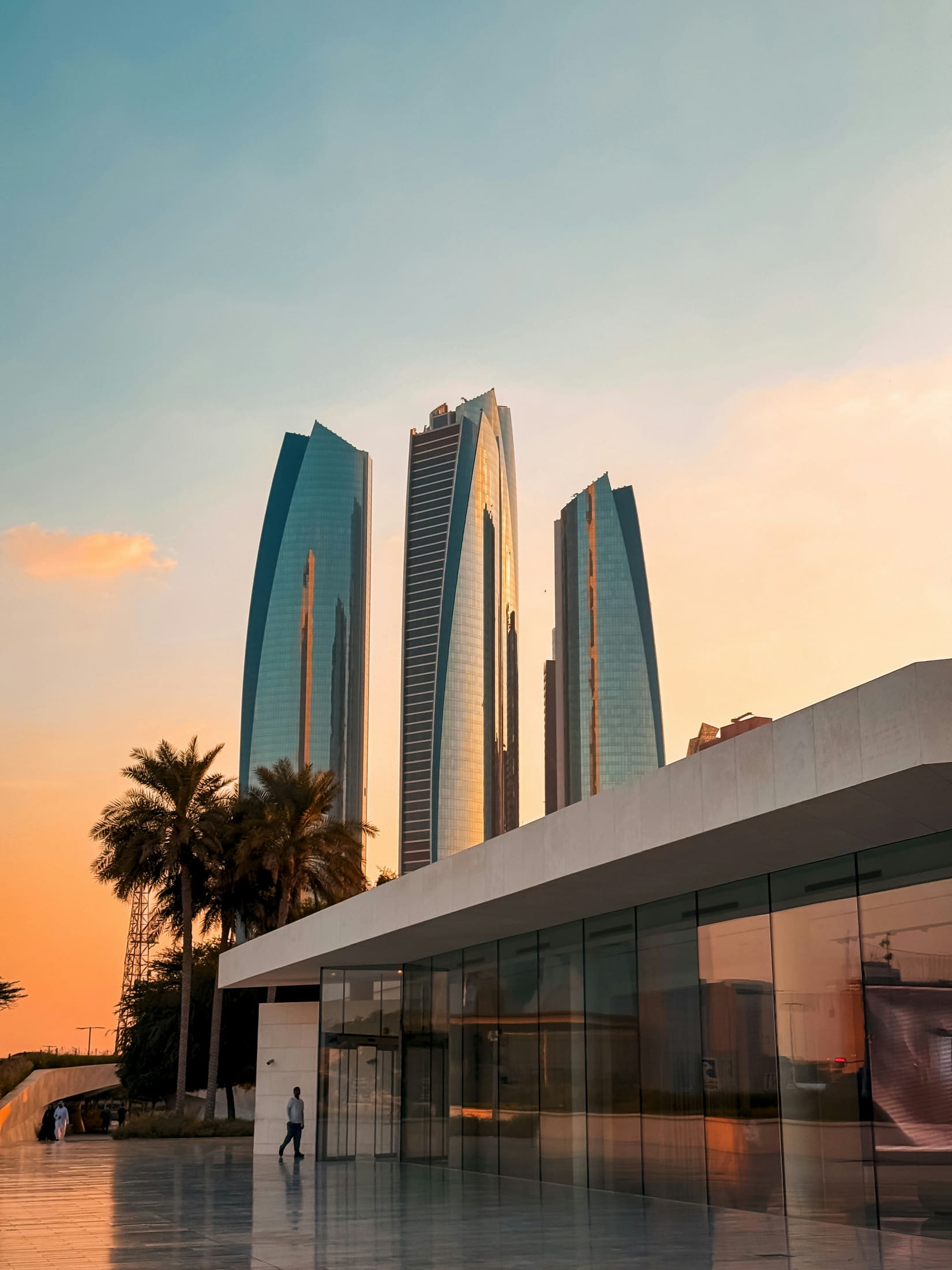
Abu Dhabi Travel Guide 2026: Everything You Need to Know.
Abu Dhabi, the capital of the United Arab Emirates, is a destination where tradition, culture, and modern luxury exist in perfect balance. This Abu Dhabi travel guide introduces a city often described as the cultural heart of the UAE, surprising first-time visitors with its calm elegance, wide-ranging landscapes, and culturally rich preserved heritage. Travel in Abu Dhabi feels unhurried yet enriching, an afternoon at a grand mosque becomes a moment of reflection, a walk along the Corniche turns into a scenic escape, and a desert evening transforms into an unforgettable cultural experience. At Utazzo Holidays, we’ve seen travellers arrive curious and leave deeply impressed by Abu Dhabi’s sense of space, authenticity, and refined hospitality. To help you plan a truly memorable journey, here’s everything you need to know before travelling to Abu Dhabi. Quick Highlights: Abu Dhabi Travel Guide Abu Dhabi is often referred to as the cultural and political capital of the UAE, known for its grandeur, heritage, and visionary development. - This Abu Dhabi travel guide offers a blend of iconic landmarks, desert landscapes, islands, beaches, and cultural institutions, all set in a relaxed, spacious environment. - It is one of the safest cities in the world, making it ideal for families, solo travellers, and first-time visitors to the Middle East. - Top highlights include Sheikh Zayed Grand Mosque, Louvre Abu Dhabi, Qasr Al Watan, Yas Island, Saadiyat Island, and the Liwa Desert. - Emirati cuisine features rice-based dishes, slow-cooked meats, seafood, dates, and traditional Arabic sweets, alongside a wide range of international dining options. - The best time to visit Abu Dhabi is from November to March, when the weather is cooler and ideal for sightseeing, beach activities, and desert adventures. Best Places to see in Abu Dhabi 2026 Abu Dhabi, the capital of the United Arab Emirates (UAE), is a destination known for its luxury, culture, modern architecture, and traditional heritage. From grand mosques and world-class museums to beautiful beaches and thrilling desert safaris, Abu Dhabi attractions offer something for every traveller. Whether you are planning sightseeing, a family vacation, or a luxury trip, there are many places to see in Abu Dhabi that promise unforgettable experiences. Sheikh Zayed Grand Mosque Known for its white marble architecture, chandeliers, and peaceful atmosphere Sheikh Zayed Grand Mosque is one of the most famous Abu Dhabi attractions and among the largest mosques in the world. Timings & Entry fees Saturday–Thursday: 9:00 AM – 10:00 PM Friday: 9:00 AM – 12:00 PM & 3:00 PM – 10:00 PM Entry Fee: Free Louvre Abu Dhabi For art and history lovers, Louvre Abu Dhabi is one of the most popular places to see in Abu Dhabi, showcasing art and culture from around the world. Timings & Entry fees Tuesday–Sunday: 10:00 AM – 6:30 PM Closed on Monday Entry Fee: AED 63 per adult Qasr Al Watan Qasr Al Watan is the official presidential palace and an important cultural spot. It offers insight into the UAE’s governance, heritage, and architecture. Timings & Entry fees Timings: 11:00 AM – 6:00 PM Entry Fee: AED 65 per adult Yas Island Home to theme parks, hotels, and beaches, Yas Island is one of the most exciting Abu Dhabi tourist attractions to enjoy, especially with friends and family. Timings & Entry fees Timings: Open all day Entry Fee: Free (theme parks charged separately) Ferrari World Abu Dhabi Ferrari World is a famous Abu Dhabi tourist spot, known for thrilling rides and the world’s fastest roller coaster. Timings & Entry fees - Timings: 12:00 PM – 8:00 PM Entry Fee: AED 325 per person Corniche Beach Corniche Beach is a clean, scenic sightseeing spot in Abu Dhabi, perfect for relaxation and evening walks. It is among the peaceful tourist places in Abu Dhabi suitable for all ages. Timings & Entry fees Timings: 8:00 AM – Sunset Public beach: Free Family section: AED 10–25 Things To Do In Abu Dhabi Sheikh Zayed Grand Mosque Among places to go in Abu Dhabi, the Sheikh Zayed Grand Mosque is a very famous and beautiful mosque. It is named after the founder of the UAE, Sheikh Zayed bin Sultan Al Nahyan. The mosque is made of white marble and has 82 domes, the world’s largest hand-woven carpet, and huge chandeliers decorated with gold and crystals. This place beautifully represents peace, culture, and Islamic art. Entry Fee: Entry to the Sheikh Zayed Grand Mosque is completely FREE for all visitors. Dress Code: Modest clothing is required; women can use free abayas provided at the mosque if needed. Women’s Prayer Halls: There are two separate prayer halls for women, each with a capacity of around 1,500 people. Best Time to Visit: Evening is the best time to visit due to cooler weather and stunning night views of the mosque. Qasr Al Watan (Presidential Palace) Qasr Al Watan is a grand Presidential Palace located in Abu Dhabi, UAE. The architecture of this place is absolutely stunning, crafted beautifully with white marble, huge domes, and elegant chandeliers, which are the main highlights. Inside, you can explore the library, great hall, and various exhibitions that explain the laws, traditions, and leadership of the UAE. Entry Fee - Tickets are required for both adults and children. - Prices vary according to age category. Timing - Usually open from 10:00 AM to 5:30–6:00 PM. - The last entry is slightly earlier in the evening. - It’s best to check the official timings before visiting. Tips - Evening visits are ideal for better weather and lighting. - Wear decent and modest clothing. - Keep your camera or phone fully charged for photos. - There’s a lot of walking, so wear comfortable shoes. - Perfect destination for history and architecture lovers. Louvre Abu Dhabi Louvre Abu Dhabi is a world-famous museum in the UAE, located on Saadiyat Island. The museum has a vast collection of artworks and artefacts from diverse cultures and time periods, including ancient civilisations, Islamic art, and modern art. Both the architecture and the art are absolutely mind-blowing, making it one of the perfect Abu Dhabi sightseeing places to explore. Entry: - Ticketed entry for adults, children under a certain age may be free. - Tickets can be booked online for convenience. - Discounts may be available for students and seniors. Timings: - Open daily except Mondays. - Typical timings: 10:00 AM to 8:00 PM (check website for updates). Tips for Visitors: - Visit early morning or late afternoon for cooler weather and fewer crowds. - Allocate at least 2–3 hours to explore properly. - Photography is allowed, but flash and tripods may be restricted. - Comfortable walking shoes are recommended as the museum is large. Carry water and plan breaks at the cafe inside. Heritage Village: Heritage Village is a really cool place, especially for those who enjoy history and culture. Here, you’ll get an idea about old-style houses, traditional crafts, and the local lifestyle. There are also amazing cultural shows like folk dances, music, and handicraft demos. The best time to visit is in the morning or evening, when the weather is perfect, and photos turn out great. Best Time to Visit: Morning or evening (weather is perfect, photos come out great) Opening Hours: Usually 9 AM to 6 PM (depends on the place, check local info) Entry Fee: Mostly free or nominal charge. Cultural Shows: Folk dance, music, handicraft demos . Qasr Al Hosn Qasr Al Hosn is a historic fort in Abu Dhabi and is considered the city's oldest stone building. The fort is designed in traditional Emirati architecture, and inside it is a museum where you can get comprehensive information about Abu Dhabi. Here, you can see old weapons, photos, and royal artefacts. Qasr Al Hosn is also used for the city’s cultural events and festivals. Entry Fee: Free Timings: Usually 9 AM – 8 PM (Check before visiting) Best Time to Visit: Morning or evening for cooler weather Tips - Carry water - Wear comfortable shoes (lots of walking) - Great for history lovers & photography - Cultural events & festivals happen here Abu Dhabi Famous Food Abu Dhabi famous foods are a delicious blend of rich Emirati traditions and popular Middle Eastern flavours. From aromatic rice dishes and slow-cooked meats to street-style shawarmas and sweet local desserts, the city offers something for every food lover. Exploring these must-try dishes is the perfect way to experience Abu Dhabi’s culture through its cuisine. AI Harees: Creamy wheat and meat dish, very traditional. Harees is a traditional Emirati comfort dish made by slow-cooking wheat and tender meat until it reaches a smooth, creamy consistency. Lightly seasoned and often finished with melted ghee, it has a mild yet rich flavour. Commonly prepared during Ramadan and special occasions, this Abu Dhabi famous food reflects the simplicity and warmth of the country's culinary heritage. Best place to try Name Harees Al Arab Restaurant Address 21st Street, Opposite Khalifa University, Behind Al Khaizuran Restaurant - Abu Dhabi - United Arab Emirates Phone No. +971505029690 Machboos: Among Abu Dhabi famous foods are spiced rice with chicken, lamb, or fish. Machboos is one of the most loved traditional dishes of Abu Dhabi and the UAE. It’s a fragrant rice dish cooked with tender chicken, lamb, or fish, blended with warm spices like cardamom, cinnamon, cloves, cumin, and the signature dried lime (loomi), which gives it a slightly tangy flavour. The rice absorbs the rich meat stock, making every bite deeply aromatic and comforting. Best place to try Name Al Mrzab Traditional Restaurant Address Airport Road, behind the National Theatre - Abu Dhabi - United Arab Emirates Phone No. +971 2 666 2333 Thareed: Meat and vegetable stew soaked with flatbread. Thareed is a classic Emirati comfort dish made with tender meat and vegetables simmered in a rich, spiced broth and poured over soft, soaked flatbread. Often compared to a traditional stew, it is hearty, flavourful, and deeply satisfying. Commonly enjoyed during Ramadan and family gatherings, Thareed is a true symbol of home-style cooking in Abu Dhabi. Best place to try Name Al Fanar Restaurant & Cafe Address Souq Al Zafarana, next to Al Khabisi Wedding Hall – Al Jimi، Al Ain - Abu Dhabi - United Arab Emirates Phone No. +97137665200 Shawarma: Wrap with chicken or lamb, garlic sauce & pickles tops the list of Abu Dhabi famous foods. Shawarma is one of the most popular street foods in Abu Dhabi, loved for its bold flavours and quick comfort. It is made with marinated chicken or lamb slowly roasted on a vertical spit, then sliced and wrapped in soft bread with garlic sauce, pickles, and sometimes fries. Juicy, aromatic, and filling, shawarma is a must-try snack that reflects the city’s vibrant everyday food culture. Best place to try Name Bait El Khetyar -Najdah Address Al Danah - Zone 1 - Abu Dhabi - United Arab Emirates Phone No. +97126333200 Lamb Ghuzi (Khuzi): Slow-roasted lamb served over fragrant rice. Lamb Ghuzi (Khuzi) is a traditional Emirati feast dish made with slow-roasted lamb served over fragrant spiced rice. Flavoured with Arabian spices and often garnished with nuts and raisins, it is rich, tender, and aromatic. Commonly prepared for celebrations and special occasions, Lamb Ghuzi is a must-try for experiencing authentic Abu Dhabi cuisine. Best place to try Name Al Khayma Heritage Restaurant Abu Dhabi Address Souq Al Jami' سوق الجامع, Sheikh Zayed Grand Mosque - Al Rawdah - W54 - Abu Dhabi - United Arab Emirates Phone No. +971 50 606 1239 Madrooba: Thick, spiced fish or meat porridge. Madrooba is a traditional Emirati dish made by slow-cooking salted fish or meat with flour, garlic, and warm local spices until it forms a thick, smooth porridge-like consistency. Rich, hearty, and deeply comforting, it is especially popular during Ramadan and family gatherings. Madrooba reflects Abu Dhabi’s coastal heritage and is loved for its simple ingredients and nourishing flavours. Best place to try Name Meylas Emirati Restaurant - AlMuneera Address Al Rahah - Al Muneera - Abu Dhabi - United Arab Phone No. +971 2 444 8884 Best Time to Visit Abu Dhabi Abu Dhabi stands as a blend of luxury, culture, and modern architecture. The best time to visit Abu Dhabi is during the winter months, from November to March, when the weather is mild and pleasant, with average daytime temperatures ranging from 18°C to 28°C. Therefore, understanding Abu Dhabi’s climate helps travellers plan their trips efficiently. This guide explains the best time to visit Abu Dhabi in detail. Abu Dhabi has a hot desert climate year-round. Additionally, sunshine dominates most months without interruption. However, temperatures vary significantly between seasons. As a result, travel experiences change depending on the visiting months. Season Month Temperature Experience Winter (Peak Season) November – March 18°C – 28°C Sightseeing, beach activities, desert safaris, families, honeymooners Spring (Shoulder Season) April – May 25°C – 35°C Budget travel, city tours, relaxed vacations Summer (Off Season) June – September 35°C – 45°C+ Budget travellers, shopping, and luxury hotel deals Autumn (Transition Season) October 28°C – 35°C Early winter travellers, sightseeing, beach visits Winter Season (November to March) - Peak Season The winter season is the best month to visit Abu Dhabi. In this season, the weather stays pleasant and sunny throughout the day. Temperatures usually range from 18°C to 28°C. As a result, outdoor travel feels comfortable and very refreshing. Also in this season, humidity remains low. Clear sky and pleasant weather, providing ideal conditions for photography enthusiasts This climate supports sightseeing, city tours, and cultural visits. Desert safaris operate in ideal conditions during this season. Additionally, beaches remain perfect for swimming and relaxation. Festivals and international events also take place in winter. Therefore, tourist activity remains at its peak. Winter is ideal for families, couples, and first-time visitors. Spring Season (April to May) Shoulder Season This Season acts as a shoulder season in Abu Dhabi. Temperatures begin to rise gradually across the city. The average temperature ranges from 25°C to 35°C. Days become warmer, yet mornings feel pleasant. As a result, early sightseeing remains comfortable. Crowds are less compared to other seasons The spring season suits those travellers who are seeking a quieter experience. Hotels often offer better rates during this season. Additionally, popular attractions remain less crowded. Spring is the best time to go to Abu Dhabi for relaxed travel and budget-friendly planning. Summer (June to September) - Off Season The summer season is the hottest season in Abu Dhabi, and may not be the best time to travel to Abu Dhabi. Daytime temperatures frequently exceed 40°C+. Humidity levels also increase during these months. Outdoor activities become limited during daytime hours. However, indoor attractions remain fully air-conditioned. Shopping malls, museums, and theme parks stay accessible. Additionally, summer offers the lowest travel costs. Hotels and flights provide attractive discounts. Therefore, summer suits budget travellers and indoor-focused trips. Autumn Season (October) - Transition Season Autumn Season marks the transition from summer to winter. Temperatures begin to decrease gradually. The average temperature ranges from 28°C to 35°C. Humidity levels drop during this month. As a result, outdoor comfort improves steadily. Late October becomes ideal for sightseeing and beach visits. Tourist crowds remain moderate during autumn. Limited outdoor activities due to the intense heat, with a focus on indoor attractions, such as shopping malls, museums, and entertainment centres. Thus, travellers enjoy a balanced travel experience. Autumn works well for early planners and short vacations. Low tourist footfall allows for a more relaxed, peaceful experience. Significant discounts on accommodations and tour packages, catering to budget travellers, make it the best time to travel to Abu Dhabi. Ramadan In Abu Dhabi Key Dates & Timings (2026) Start Date 18 February 2026. End Date (Expected) Around 19 March 2026. Eid Al Fitr Predicted to begin on Thursday, 19 March 2026. Daily Fasting From roughly 5:36 AM (Suhoor ends) to 6:19 PM (Iftar/Sunset). Sacred Nights at Sheikh Zayed Grand Mosque Ramadan in Abu Dhabi brings serenity and spiritual energy across the city. The majestic Sheikh Zayed Grand Mosque becomes the heart of devotion. Thousands gather here for Taraweeh prayers each night. Moreover, the mosque glows beautifully under Ramadan lights. Ramadan Festivals Traditional Iftar Experiences and Ramadan Tents As sunset approaches, families prepare for Iftar with excitement. Hotels such as Emirates Palace and Mandarin Oriental host luxurious Ramadan tents. These venues serve traditional dishes like Harees and Thareed. In addition, live oud music enhances the ambience. People also enjoy Arabic sweets and fresh dates. Cultural Evenings at Qasr Al Watan and Heritage Village During Ramadan, cultural landmarks remain popular attractions. Visitors explore Qasr Al Watan to discover Emirati heritage. Meanwhile, the Heritage Village showcases traditional crafts and customs. Evening visits become more peaceful during the holy month. Ramadan Shopping and Festive Atmosphere Shopping malls across the city extend their hours during Ramadan. Places like Yas Mall host Ramadan promotions and night markets. Families gather after Iftar to shop and relax. Therefore, the city stays lively until late hours. Decorative lanterns and crescent lights beautify the streets. Ramadan Events and Community Spirit Abu Dhabi also organises charity drives and community gatherings. Many residents participate in giving back to society. Additionally, Ramadan markets and food festivals highlight local cuisine. The spirit of generosity connects people from all cultures. As a result, Ramadan in Abu Dhabi blends spirituality with celebration. Major Events in Abu Dhabi (2025–2026) Abu Dhabi hosts some of the largest global events in sports, culture, and entertainment. Formula 1 Abu Dhabi Grand Prix Held at Yas Marina Circuit, the Formula 1 Abu Dhabi Grand Prix remains one of the most prestigious racing events in the world. The event includes world-class racing, concerts and entertainment and luxury hospitality experiences. Abu Dhabi Festival This annual cultural event showcases international music, arts, and performances. The festival attracts global artists and cultural organisations. UFC Fight Nights Abu Dhabi has become a major destination for international MMA events, regularly hosting UFC fights at Etihad Arena on Yas Island. Liwa Date Festival Held in the Liwa region, this festival celebrates Emirati culture with date competitions, camel events and traditional markets to shop from. It provides visitors with an authentic experience of UAE heritage.